
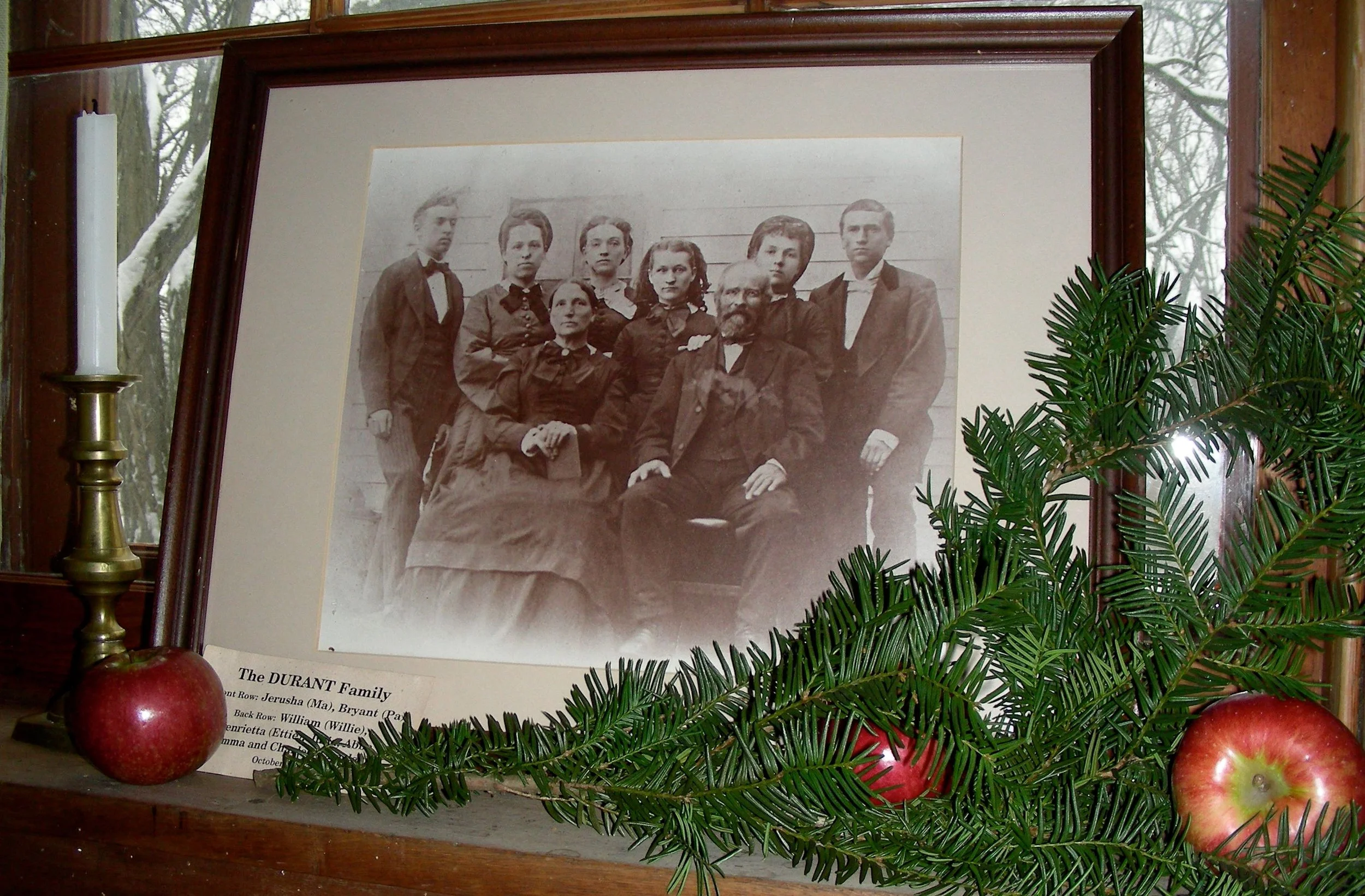
Figure 1. Framed photo of the Bryant Durant family, c. 1873. Collection of Preservation Partners of the Fox Valley.
When doing historical research on people, buildings, monuments, landmarks, and cities, historians are always on the search for primary source materials. These are original documents, created during the era being studied, that provide first-hand accounts of what life was like at the time. Primary source materials offer direct evidence from the people who were there.
Primary source materials include government records, published materials, objects and artifacts, as well as letters, manuscripts, interviews, and diaries.
Speaking of diaries – what an ideal primary source document! An individual’s journal or diary provides personal, first-hand accounts, often within hours or days of when events occurred. A diary details such things as day-to-day activity, important special events, and a glimpse into the opinions and beliefs of the individual. A diary speaks to the happy days, the exhilarating days, the boring days, the sick days, the troubled days, and the saddest of days. Few documents can make history as relatable and engaging as a diary.
The Durant-Peterson House Museum is extremely fortunate to have not one, but two diaries from children who lived in the 1843 home. The diaries of Emma (b.1852, d.1922) and her younger sister, Abba (b.1853, d.1933), along with other Durant family genealogy research, provide extraordinary insight into the family’s lives.
Their diaries are valuable primary sources with engaging stories about not only their lives, but also the lives of their family, friends, and neighbors. Documents like these are emotional links to the Durant family and accurate guides for the historic interpretation of the Durant-Peterson House Museum.
The original handwritten diaries remain with descendants of the family, but a complete transcript of each diary was created in 1978. The transcripts are typewritten exactly as the author wrote, including their misspellings and missing punctuation. These “mistakes” allow the heart of the author to shine through in every line.
Emma and Abba kept written journals at different times in their lives. Together, their diaries paint a vivid picture of their family and the time period in which they lived.
The Diaries of Abba (Durant) Allen

Figure 2. Abba Durant, c. 1873. Archives of Preservation Partners of the Fox Valley.
Abba was the first to keep a regular journal. She was 12 years old when, on January 1, 1866, she penned her first diary entry:
We have had Company all day Sister Ettie has a sore throat. Have had a Nice Time we have joust [sic] been out slideing [sic]
Each day’s writing shared a little bit about herself. Some entries are just a sentence, while others go into detail. One of our favorite entries reads:
I do not know what I am going to write for but somhow it seems so easy to write down my thoughts but that is said and done it seems to me it will be pleasant at some future mind [sic] to read the words written on those pages and know what I used to do and think about. I have kept a diary for 3 years and even now it is a pleasure to thumb through badly written and badly spelled, of little things that it is pleasant to remember. I hope I will always keep a Diary.
Abba wrote consistently until 1875, when she was 22 years old. She wrote again from 1919 to 1933.
The Diaries of Emma (Durant) Lane
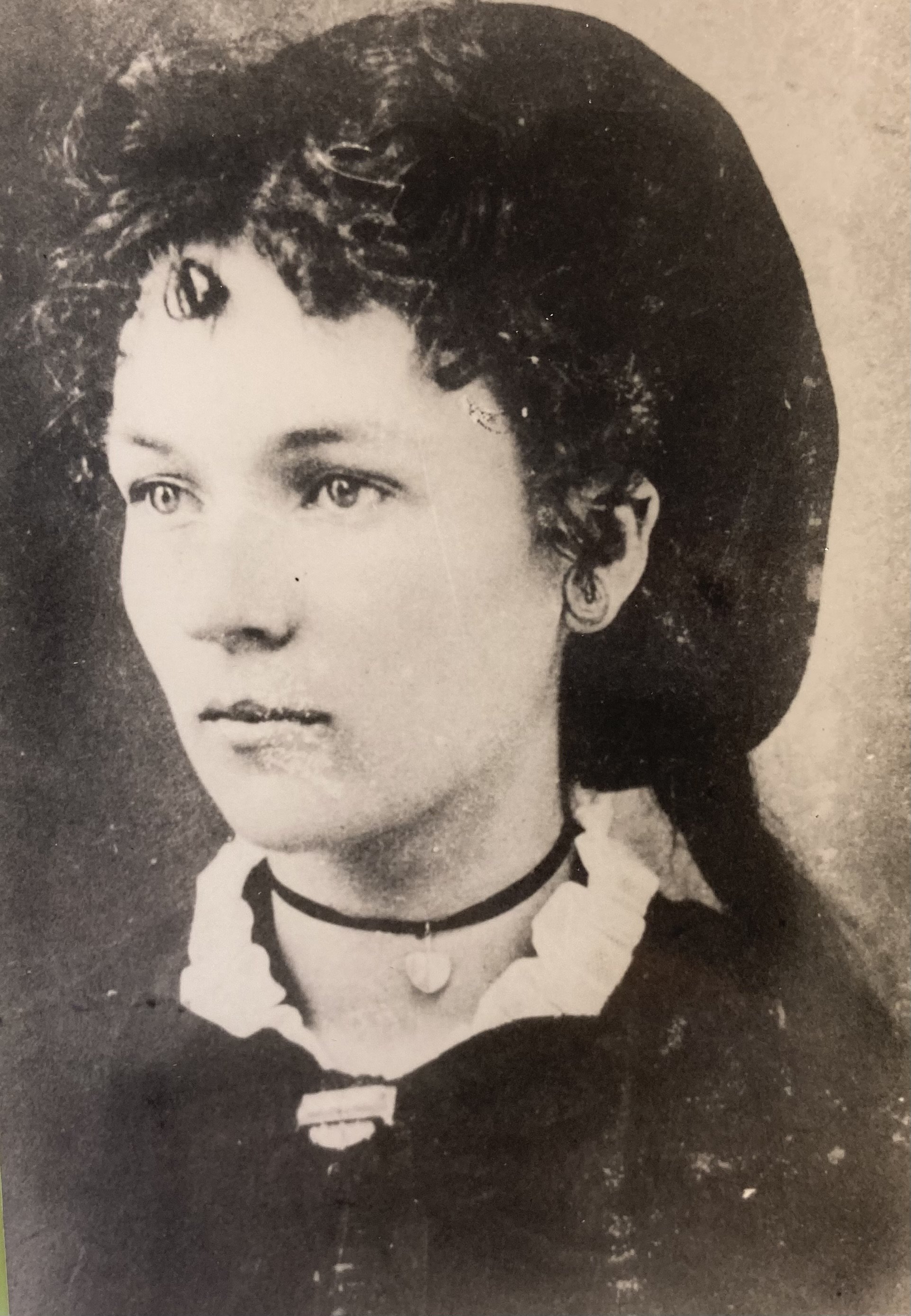
Figure 3. Emma Durant, c. 1872. Archives of Preservation Partners of the Fox Valley.
Emma’s diary is quite different from her sister’s. Instead of a daily journal of activities and emotions, Emma provides long and detailed reminiscences of past times. She writes of her childhood in the brick house in St. Charles (now the Durant-Peterson House Museum). She recalls being a student, a teacher, and an administrator. She tells of her life with Dr. Lane and their time together. Instead of in-the-moment like most of her sister’s entries, Emma’s writings are anecdotal, longer, complex, and more descriptive.
Emma’s last diary entry was on March 17, 1922. It reads like this:
Jonquils have been in blossom for nearly two weeks. They look so pretty. I left on March 24
Under the last unfinished line, written in another’s hand, it reads: “Emma Durant Lane, found dead, April 1, 1922.”
Her sister Abba shared the story of Emma’s untimely death in her diary, but it was not until September 12, 1922, that Abba found the will to record that dreadful day.
More than just a Diary
In addition to stories about the daily lives of Abba and Emma, the transcripts include appendices with obituaries, news articles, family memoirs, detailed ancestry charts, and photographs. The editor of these documents provides a table of contents and indexes by subject, by name, and by family relationship. The diaries make clear the care and love this family had for each other.
Access to the Diaries
Transcribed copies of both Abba and Emma’s writings are located at the archives of Preservation Partners of the Fox Valley at the 1850 William Beith House, 8 Indiana Street, in St. Charles. Office hours are Mon-Thurs 9 AM to 3 PM, when you can stop and read them at your leisure.
Transcribed copies are also online, thanks to the St. Charles Public Library District, which submitted them to the Illinois Digital Archives. Click the buttons below to read the diaries online:
The next time you visit the Durant-Peterson House Museum, be sure to ask about the diaries. Our knowledgeable docents are very familiar with the lives of Abba and Emma Durant.
Thank you for reading! If this story interested, inspired, or informed you, please consider subscribing to our monthly e-newsletter so more of these stories come right to you!